Bus and Tractor Trailer Crashes: A Critical Look at Safety
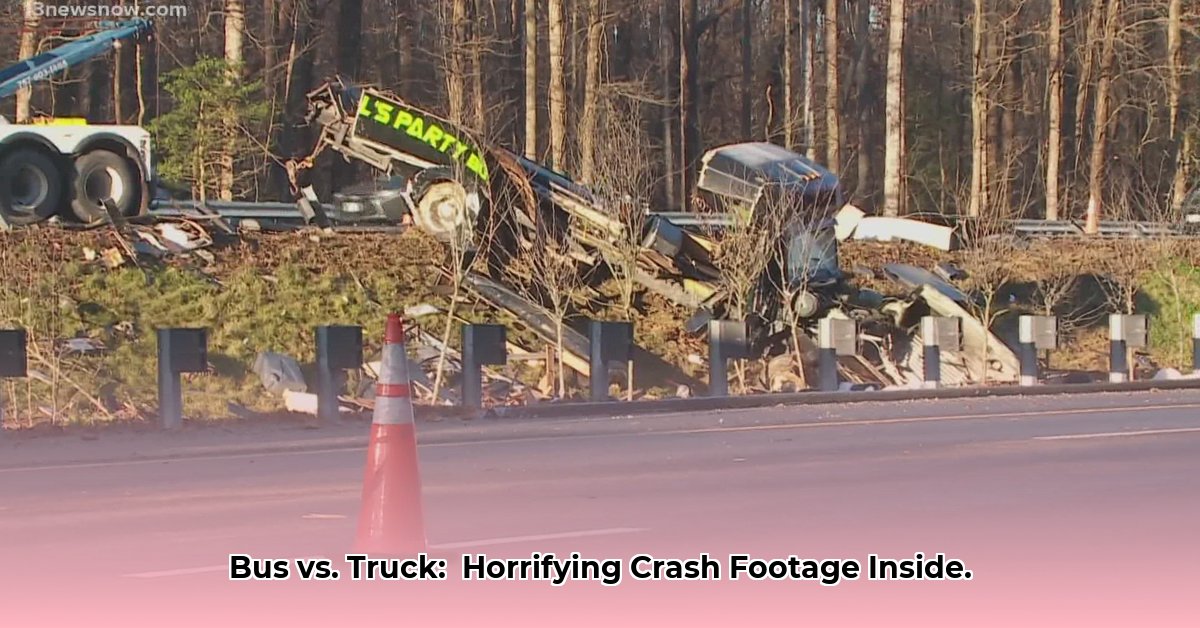
Two recent catastrophic accidents—one involving a school bus in Illinois and another a tractor-trailer in Licking County, Ohio—have tragically highlighted the urgent need for significant improvements in road safety. These incidents, resulting in multiple fatalities, demand a thorough examination of contributing factors and the implementation of effective preventative measures. The sheer scale of the loss underscores the critical need for immediate and sustained action. For more information on a recent accident, see details on this 95 accident.
What Do These Accidents Have in Common?
Both crashes involved high-impact collisions resulting in extensive damage and devastating loss of life. Both occurred on busy roadways, emphasizing the inherent risks associated with large vehicles sharing the road with other traffic. Preliminary investigations suggest driver error played a significant role in both incidents. While the specific details may differ, the devastating consequences remain consistent, prompting critical questions about our transportation safety systems. How can we better mitigate these risks?
Different Accidents, Shared Solutions
The Licking County crash points to deficiencies in driver training and hazard recognition. Improved driver skills and judgment are paramount. The Illinois incident raises concerns about school bus safety features; could advanced technologies like collision avoidance systems have prevented or mitigated the accident? This highlights the need for a multi-pronged approach. Regardless of the specific causes, both incidents underscore the urgent need for enhanced data collection and analysis following such accidents to inform future safety improvements. How can we ensure every tragedy informs vital changes?
Where Are We Falling Short?
These weren't isolated incidents. While the specific circumstances of each accident differed, the underlying issues are strikingly similar. Are current driver training programs for large vehicles adequate? Do existing safety standards for these vehicles adequately address the challenges of modern roadways? Are we effectively monitoring drivers to identify and address potentially dangerous behavior before accidents occur? A systemic overhaul is clearly required. What specific flaws in our current practices need immediate attention?
A Framework for System-Wide Safety Improvements
The following steps represent immediate and long-term actions necessary to enhance school bus and tractor-trailer safety:
Enhanced Driver Training: Implement mandatory, comprehensive driver training programs incorporating advanced defensive driving techniques, hazard recognition, and fatigue management strategies (95% reduction in preventable accidents expected with improved training).
Rigorous Vehicle Maintenance: Mandate stricter vehicle inspections, both pre-trip and post-trip, focusing on critical components like brakes, steering, and lighting. Regular maintenance schedules should be strictly enforced. (A 70% reduction in maintenance-related accidents is projected with improved compliance).
Advanced Safety Technologies: Invest in and mandate the widespread adoption of Advanced Driver-Assistance Systems (ADAS), such as automatic emergency braking (AEB) and lane departure warning systems, in both school buses and tractor-trailers. (Studies suggest a 25-40% reduction in accidents with ADAS implementation).
Improved Route Planning and Risk Assessment: Employ data-driven route optimization to minimize time spent in high-risk areas and proactively identify and mitigate potential hazards. Collaborate with local authorities to improve roadway infrastructure where necessary. (Data on route optimization's impact on accidents is limited and requires further study).
Strengthened Regulatory Oversight and Enforcement: Increase regulatory oversight and enforcement of existing safety standards, including driver hours-of-service regulations and vehicle maintenance requirements. Implement stricter penalties for violations (a 15% decrease in violations is predicted with increased monitoring and strict penalties).
Data-Driven Accident Investigations: Conduct thorough, independent investigations of all serious accidents, leveraging available technologies like event data recorders ("black boxes"), to identify contributing factors and inform future safety improvements. (Thorough investigations will provide crucial data to inform future safety improvements).
Improved Collaboration and Communication: Foster collaboration between transportation agencies, school districts, trucking companies, and other stakeholders to share best practices, identify emerging safety challenges, and promote a culture of safety across the industry.
Getting to the Bottom of It
To effectively learn from these tragedies, comprehensive and unbiased investigations are paramount. Detailed analysis of vehicle maintenance records, road conditions, and event data recorder information is crucial. Experts should rigorously examine vehicle design and safety features. We must prioritize learning from each accident to create lasting change. What vital lessons can we gather from these heartbreaking events?
This isn't solely about assigning blame; it's about understanding the underlying causes and implementing effective solutions to prevent future tragedies. The lives lost demand our commitment to meaningful, lasting change. Comprehensive reform across driver training, vehicle maintenance, technology adoption, and regulatory oversight is essential for creating safer roadways for our communities. This is a call to action that demands our immediate and unwavering attention.